

The future of document management is important not only for those in the industry but for us as employees to better work together and design our workflow.
Interested in learning more? See our other blog about user behavior trends for different applications.


Rapid Growth of AI Tools
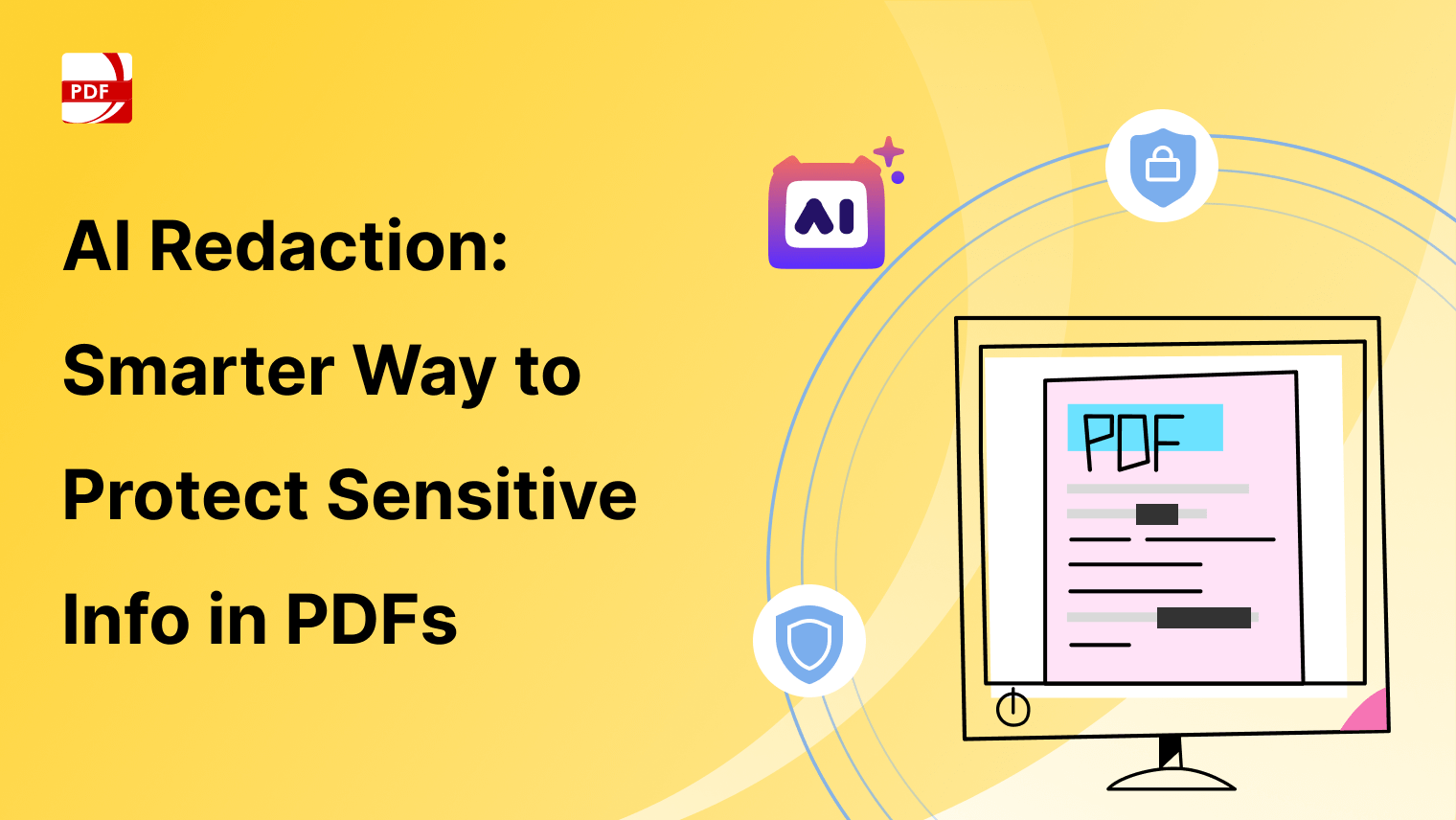
A major influence on document management in 2025 has been the introduction of AI-driven tools to speed up workflow.
- Machine learning is increasingly used to automate tagging, classification, summarization, and extraction of content from documents—saving time and reducing human error. (Docsumo stats)
- 85% of enterprise companies are investing in AI-powered document systems, with a projected global AI enterprise market of $126 billion by 2025. (Opex)
- 58% of employees now have the option to work from home, increasing demand for mobile and AI-enhanced document tools. (Eco PIer Solutions)
- 60% of companies will use AI for document security and fraud detection by 2025, reinforcing the role of AI in compliance. (LLC Buddy)
- In the banking and insurance sectors, AI-driven Intelligent Document Processing (IDP) represents 30% of total market spending. (EIN Presswire)
- AI combined with RPA (Robotic Process Automation) enables end-to-end automation of tasks like expense processing, cutting processing times by over 80%. (ARXIV)
- AI automates 60% of contract review workflows in legal and compliance functions, reducing legal workload significantly. (Financial Times)
- 92% of organizations expect IDP (Intelligent Document Processing) tools will be essential to their digital strategy by 2025, particularly for handling invoices, contracts, and compliance documents. (Evalueserve).
- AI-driven auto-tagging and classification reduces manual effort by 70%, enabling faster document retrieval and streamlining back-office operations. (Gartner).
- 60% of companies report using generative AI in their documentation workflows, with 31% utilizing it frequently for tasks like draft generation, summarization, and content editing. (State of Docs)
Real-Time Collaborative Editing
Teams are now in different places and spaces globally, meaning that tools need to accommodate collaboration and communication.
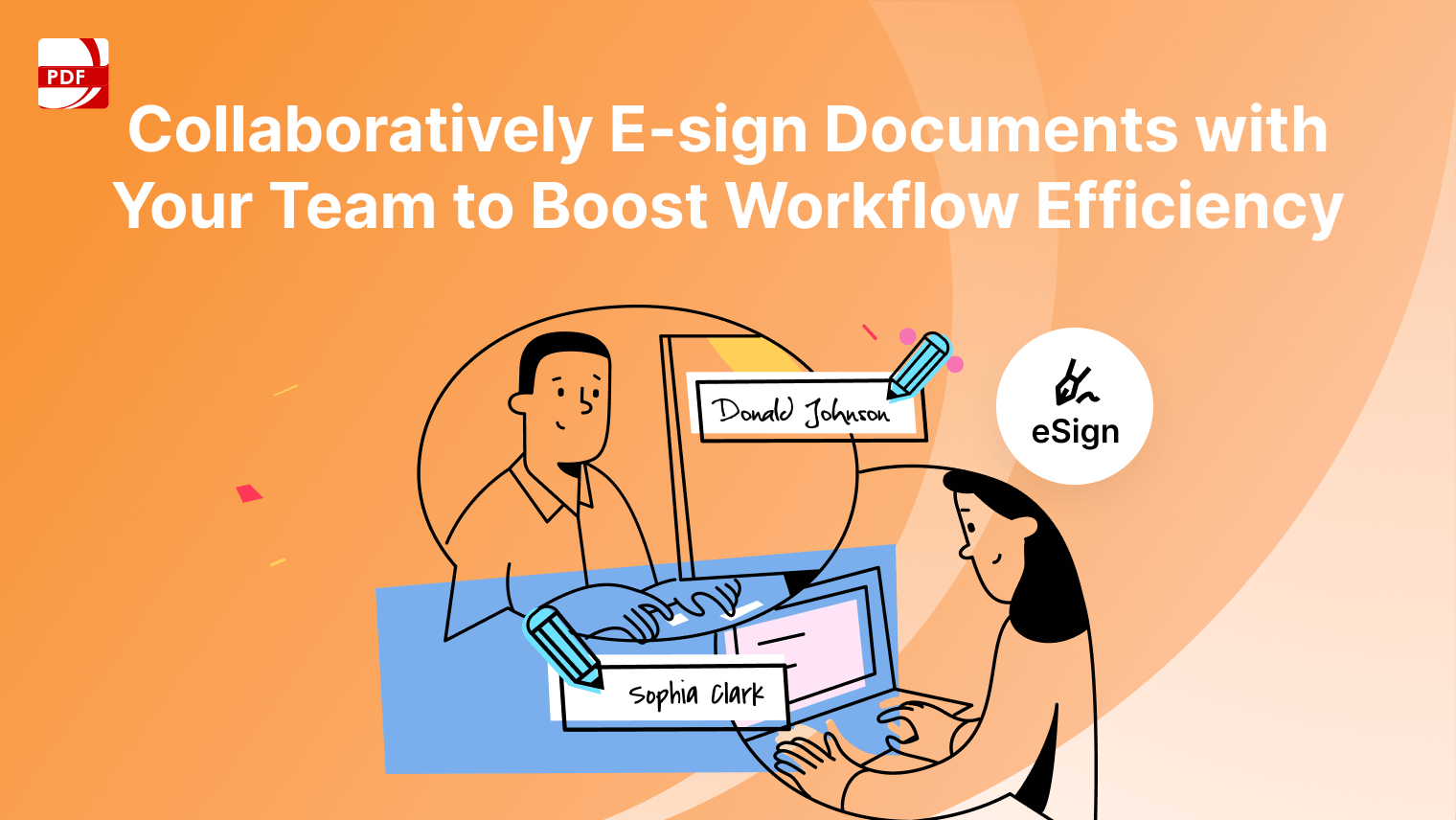
- Teams expect to co-author and annotate PDFs and documents live and tools that offer simultaneous editing and version control are in high demand. (Dev.to)
- Systems like Google Workspace and Microsoft 365 enable simultaneous document editing, commenting, and version control. (PM Market Research)
- Mobile-optimized DMS apps empower distributed teams to access, annotate, and share documents on smartphones and tablets. (Virtual Skills CA)
- Environments combining chat, video, document sharing, and workflow tools create unified collaboration platforms. (Remote Work Radar)
- AI-generated summaries, transcripts, and project insights improve communication clarity and efficiency. (Tech Radar)
- Internal platforms foster informal collaboration, feedback, and file sharing across large organizations. (Tom’s Guide)
- Immersive VR/AR spaces allow teams to interact with documents and designs in a shared virtual workspace. (The CM Consultant)
- Document management platforms are integrating advanced analytics to provide teams with insights into document usage, workflow bottlenecks, and collaboration metrics. (Dash Dev)
- Organizations are embracing platforms that seamlessly connect CRM, ERP, and ECM systems, reducing manual file transfers. (Keevee)
- Companies are piloting virtual reality platforms like Campfire to enable real-time 3D collaboration on CAD files. (Business Insider)

Better Security for Documents
Security has always been a priority for businesses and SSO protocols in digital workspaces have assisted with this. However, there is still plenty of room for innovation where digital signatures and remote access is concerned.
- Businesses continue to migrate document storage and collaboration tools to the cloud for better scalability, remote access, and disaster recovery. (Document‑Logistix report)
- E-signatures have become standard in both legal and informal agreements, with tighter integration into document workflows and growing global regulatory support. (Certinal eSignature stats)
- Encryption, digital watermarking, and access control are now essential features in document management systems to combat rising cyber threats. (QR Mark)
- Evolving privacy laws (like GDPR, HIPAA, and others) are pushing companies to adopt digital audit trails, consent tracking, and secure file retention policies. (OPEX & SM insights)
- Over 60% of enterprises are phasing out VPNs in favor of zero‑trust network access to secure document systems by 2025. (Paper Mark)
- Machine learning tools now prevent approximately 85% of document‑based security threats by analyzing real‑time user behaviors and access patterns. (Invensis)
- Blockchain's tamper‑proof verification in document workflows has surged by 300% since 2021, ensuring secure audit trails and authenticity. (Eco Pier Solutions)
- An estimated 75% of organizations are moving toward quantum‑safe encryption methods to future‑proof sensitive document storage and sharing. (Arxiv)
- With over a 45% increase in global privacy mandates since 2023, automated compliance tools are now vital to keeping document processes aligned with regulations. (Tech Radar)
Increasing Investment in Sustainability
As we continue to digitize the workspace, sustainability is becoming increasingly important to companies and employees alike.
- Sustainability initiatives are encouraging organizations to cut down on printing, mail delivery, and physical storage in favor of digital-first document strategies. (World Bank)
- Digital workflows cut office paper consumption by approximately 35% over the past five years, reducing landfill waste and resource use. (Doc Studio)
- Shifting to digital alternatives can use up to 70% less energy than paper-based workflows and save thousands of gallons of water. (Gitnux Report)
- Eliminating print-and-ship processes by sharing digital documents reduces transportation-related carbon emissions. (Folder IT)
- Migrating to modern cloud-based document systems (often powered by renewables) dramatically cuts energy usage compared to on-prem servers needing constant climate control. (Million Dox)
- About 90% of paper companies now use recycled fibers, and certified content (FSC/PEFC) comprises over 35% of global production. (Document Logistix)
- Digital document management frees up office space, eliminating file cabinets and warehouses, lowering energy and heating/cooling demands. (Doc Studio)
- Producing one ton of paper emits approx. 1.5 tons of CO₂; digitization helps reduce these emissions significantly. (ABS)
- E-signatures save around 10,000 sheets of paper per employee annually, preventing trees from being cut and reducing ink use. (E-Sign Blog)
- Digital document systems align with global sustainability frameworks like the UN SDGs, aiding responsible consumption and climate action. (Doc Studio)
- Many libraries and archives are embracing digital PDF formats to preserve rare documents, reducing physical degradation and carbon footprint associated with maintaining climate-controlled facilities. (UNESCO)
Check in to our blog on a monthly basis to see more collections of the latest application trends and statistics about document management in different industries.



 Support Chat
  PDF Reader Pro